

Start with the problem
Solutions organized around the problem you actually have.
Services describe what we do. Solutions start where you are: the condition you are trying to resolve, the signals that it is structural rather than operational, and the service domains that address it.
Four conditions that account for most of our engagements.
Each of these presents initially as a delivery problem, a reporting problem, or a resourcing problem. In practice each is structural: something in the relationship between strategy, capability, system, and control was never defined.
Read the signals. If they describe your organization, the problem will not be resolved by another initiative running the same way as the last one.
Business problem
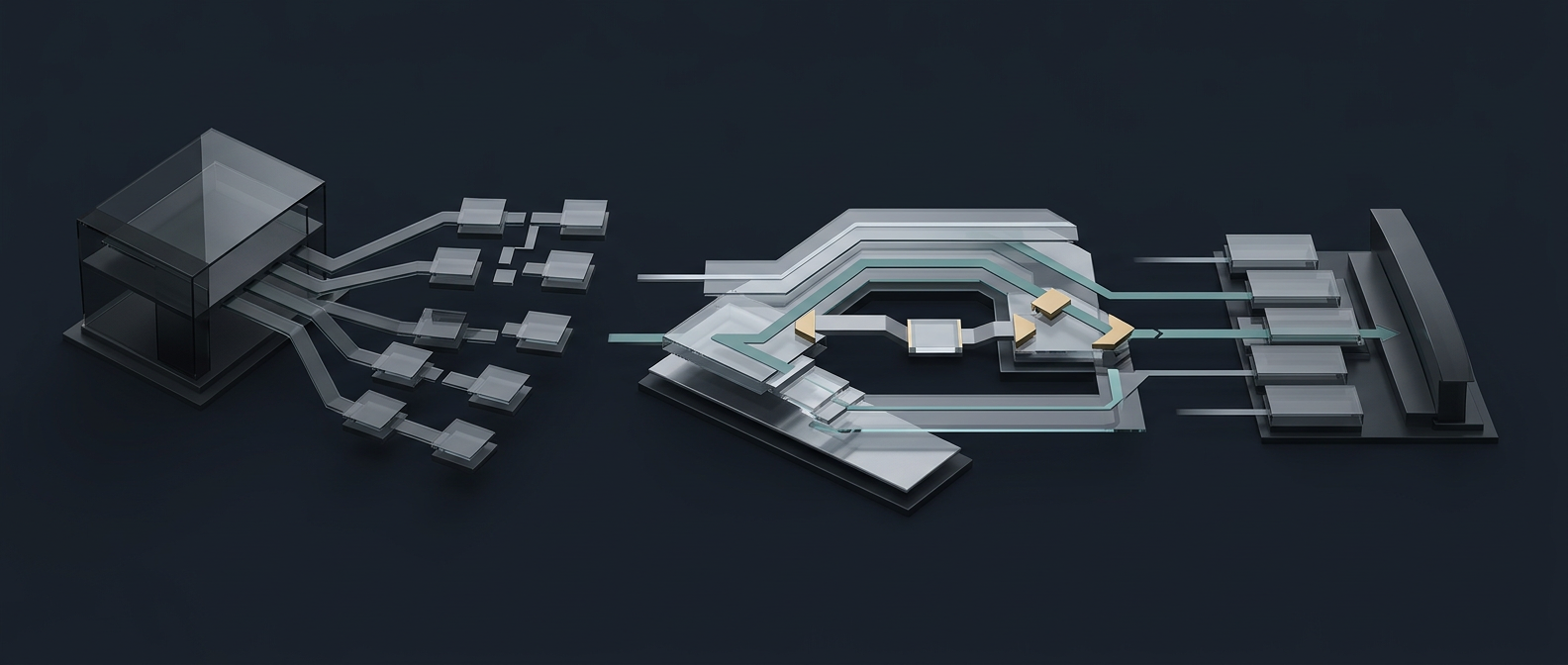
Strategy is agreed but does not translate into execution
Intent exists at the executive level, but there is no capability view, no sequencing logic, and no decision cadence. Initiatives launch in parallel, dependencies surface late, and the portfolio consumes capacity without moving the strategy forward.
The direction is set. The organization cannot sequence it.
Signals
- Multiple initiatives claim the same outcome
- Roadmaps are lists of projects rather than sequenced decisions
- Prioritization is revisited every quarter without resolution
Services that address this
Business problem
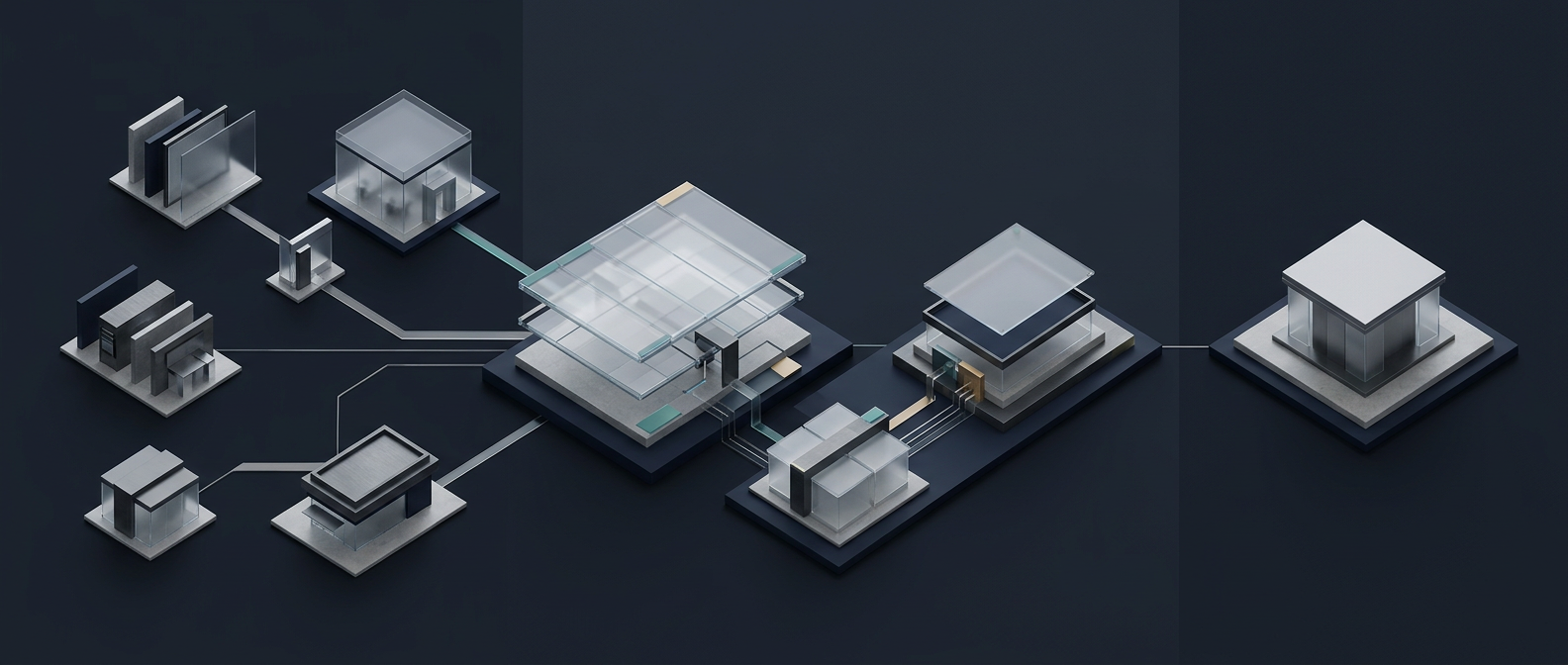
Finance cannot produce a number the business trusts
Ledger and subledger design does not reflect how the business operates, so management reporting is rebuilt outside the system. Plans and forecasts are assembled in spreadsheets, and the consolidated result cannot be traced back to a driver or a transaction.
The close completes, but the result cannot be interrogated.
Signals
- Management and statutory views require manual reconciliation
- Forecast cycles depend on a small number of individuals
- Every reporting question triggers a data investigation
Services that address this
Business problem
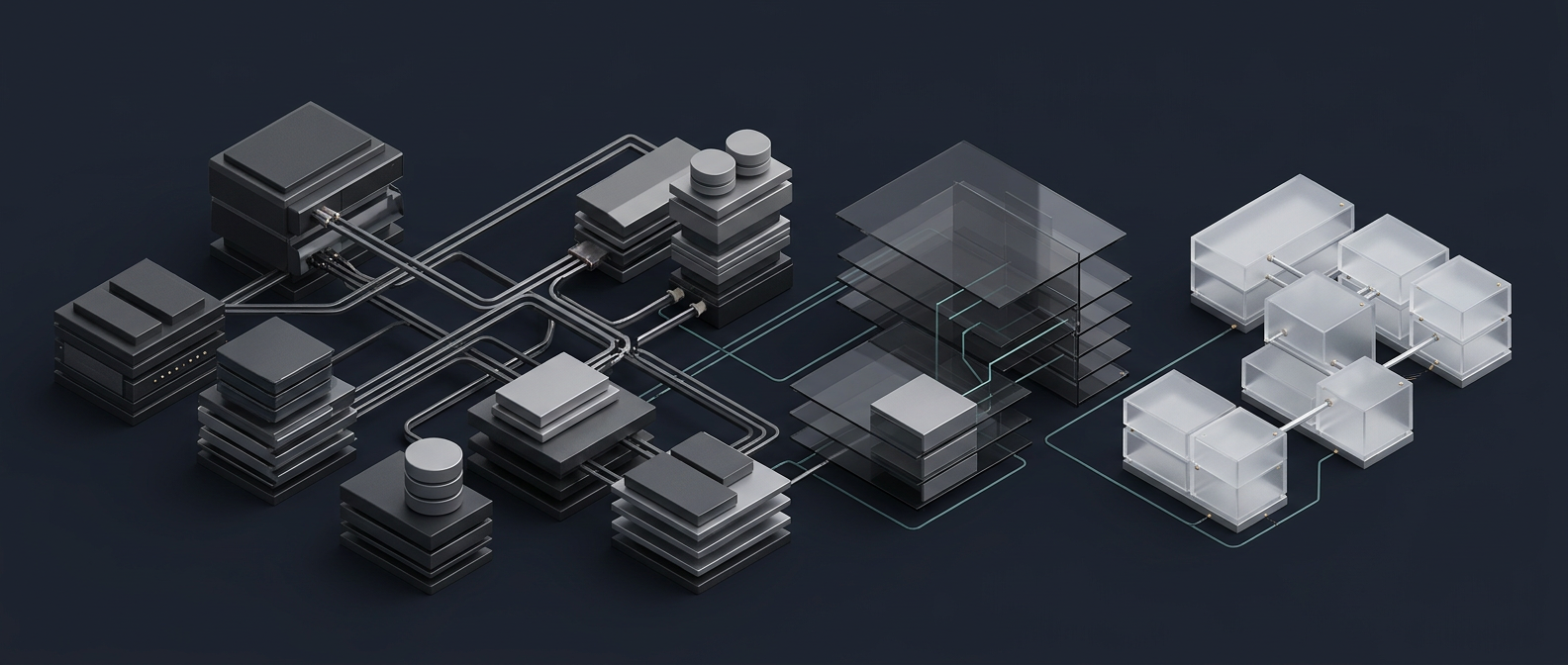
The systems and data estate resists change
Locally sensible technology decisions have accumulated into duplication, brittle integration, and undocumented dependency. There is no target state and no design authority, so each programme negotiates architecture from scratch and the estate becomes harder to change with every release.
Every change is expensive because nothing was designed to be changed.
Signals
- Integration failures are discovered in production
- No current documentation of the target state exists
- Architecture decisions are reopened by each new programme
Services that address this
Business problem
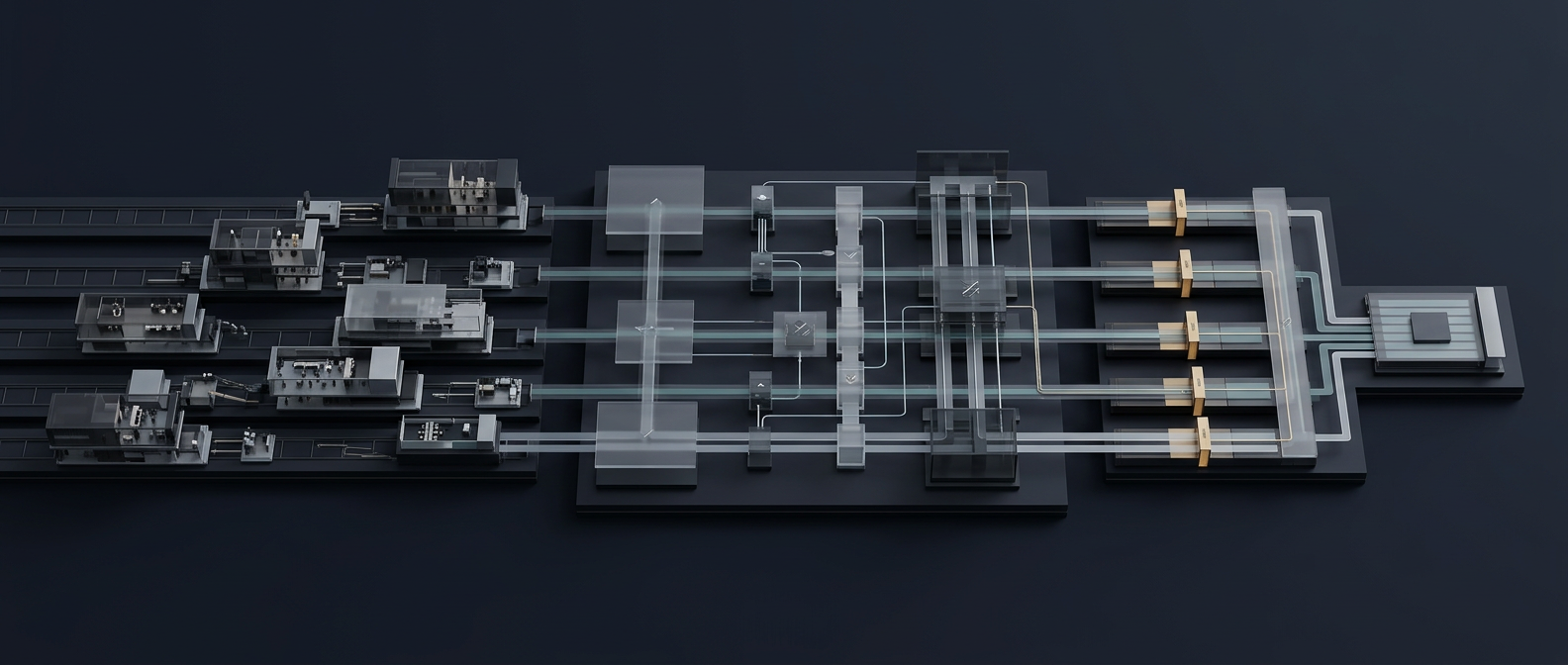
Transformation is delivering without governance or assurance
Delivery is underway but design authority is informal, decisions are undocumented, and assurance happens only at stage gates. Scope drifts, controls are deferred to a later phase, and readiness for cutover is asserted rather than evidenced.
The programme is moving. Nobody can confirm it is still on design.
Signals
- Design decisions live in meeting notes rather than a decision log
- Controls and reconciliation are deferred to post-go-live
- Cutover readiness is a status colour, not an assessment
Services that address this
Next step
Describe the problem in your own terms. We will tell you what we would do first.
Tell us the problem, the constraint, and the deadline. We will tell you what we would do first and whether we are the right firm for it.